jinna cameroun
New member
- Joined
- May 11, 2026
- Messages
- 16
- Reaction score
- 4
Post body:I wanted to share this in case it catches someone at the stage I was at a few months ago.
My Frenchie didn’t wake up one day paralysed. It started with tiny things I found very easy to explain away:
What I wish someone had spelled out to me clearly is this:
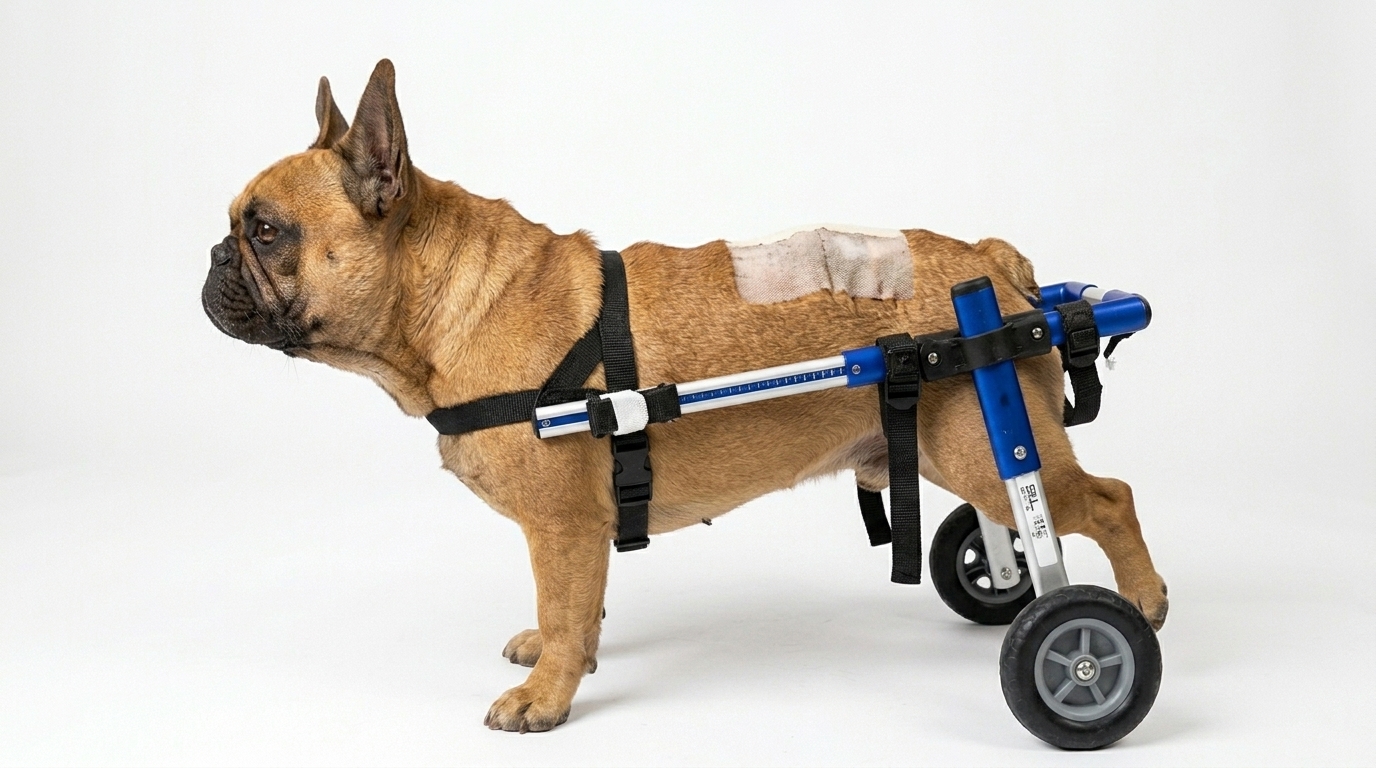
 French Bulldog IVDD: Early Signs, Emergency Red Flags, and Treatment Options
 brachydogcare.com
It goes through:
If you’ve gone through IVDD with your Frenchie, what do you wish someone had told you before things got serious?
My Frenchie didn’t wake up one day paralysed. It started with tiny things I found very easy to explain away:
- He paused at the bottom of the stairs and needed more encouragement.
- He yelped once when I picked him up under the chest, then walked it off.
- Some evenings he looked a bit stiff through the back, but by the next morning he seemed fine.
Fast forward and I’m sitting in a specialist clinic listening to the word IVDD and talking about surgery vs conservative treatment, trying to remember exactly when the first signs started and realising I’d been ignoring them because I didn’t want them to be real.“He’s just getting older.”
“We probably walked a bit too far today.”
“He must have slept funny.”
What I wish someone had spelled out to me clearly is this:
- In French Bulldogs, “reluctant to jump,” “weird hunched posture,” or “suddenly hates stairs” are not throwaway details.
- There’s a big difference between early IVDD symptoms (where you still have time to think) and true emergencies like dragging back legs, sudden collapse, or loss of bladder control (where decisions get made fast).
- Most of what you find online is either generic dog info, Dachshund stories, or pure horror – not calm, breed‑specific guidance for Frenchie owners.
French Bulldog IVDD: Early Signs, Emergency Red Flags, and Treatment Options
French Bulldog IVDD: Early Signs, Emergency Red Flags, and Treatment Options
Worried your Frenchie has IVDD? Learn French Bulldog IVDD early symptoms, emergency red flags, treatment options, and recovery tips in one clear guide.
brachydogcare.com
It goes through:
- What IVDD actually is in French Bulldogs and why this breed is so prone to it
- The early warning signs vs “drop everything and get to the vet/ER” red flags
- What to expect at the vet (neuro exam, imaging) so you’re not blindsided
- How conservative rest vs surgery are usually decided, without sugar‑coating
- What recovery and recurrence can look like, plus practical stuff like stairs, ramps, weight, harnesses, etc.
If you’ve gone through IVDD with your Frenchie, what do you wish someone had told you before things got serious?